The market is flooded with a wide array of docking stations and laptop hubs, making it a daunting task to choose the right one. To address this issue, we've created this quick and easy guide that highlights key metrics to help you find the most suitable docking station solution. By answering the core questions, you can pinpoint the ideal option for your specific host device, peripherals, and work scenarios.
Whether you're looking for a portable laptop port expander or a home office hub to boost your remote work efficiency, this guide will assist you in resolving those tricky problems and narrowing down your choices based on your specific needs. Let's dive straight into the most crucial questions.
Why Use a Docking Station?
If you've read this far, you're likely already aware of the benefits of having multiple monitors or a simple card reader. A docking station can provide your laptop with additional peripheral connections that it may not come equipped with. These connections include extra USB ports, power delivery or power pass-through, AV (audio/video) support, SD card slots, Ethernet, and more.
No matter what your reasons are for seeking a new docking station, here are some things you need to consider right away.
Consideration Factors
Host Device Type: PC or Mac?
First, determine whether your host device is a desktop or a laptop, and whether it's a PC or a Mac. Although many commonly used peripherals are compatible with docking stations designed for either platform, starting by expanding the functionality of your specific machine will help you maintain compatibility and ensure that you don't have to purchase additional cables, adapters, etc., as a bridge to achieve your desired functions in the future.
Portability: Portable or Stationary?
Think about where you'll be using the docking station. For frequent travelers or those who are often on the go, a compact docking station is a must-have. In such cases, we recommend our range of portable docking stations. They offer an impressive number of ports and power in a compact form factor, making them easy to store and carry. For all other more standard setups, the next key question comes into play.
Dock Connection Type
Once you've determined your functional requirements, the next step is to select a docking station with the appropriate ports and specifications. The first thing to consider is the basic connection to your computer. For most modern computers, there are two main connection methods with several different variations.
USB-A (DisplayLink): For USB-A models, a DisplayLink USB-A connected docking station is an excellent choice.
USB-C (DisplayLink): For mixed environments, we recommend a universal USB-C DisplayLink dock.
USB-C (DP Alt Mode): Laptops equipped with DP Alt Mode open up a world of possibilities, as any of our docking stations are compatible. Performance may vary depending on the USB-C version or generation, but options like the DS018R and many others may be suitable for your intended use.
Essential Ports
Some docking stations offer a wealth of ports and connections to meet all your digital needs. Next, you need to consider which connections are vital for your devices. Do you need additional monitors? An Ethernet connection? A USB-C port for charging your phone, or USB-A ports for your keyboard and mouse? There's a docking station out there for you.
Monitor Connections
The next step is to determine the type of monitor connections you require. Are you looking for HDMI, VGA, DisplayPort, or mDP? How many external monitors do you want to connect? Whether you're seeking a cloned monitor for your laptop screen or aiming to expand your screen real estate, the right docking station can provide the connection types and resolutions you need, ensuring maximum clarity for your laptop environment, whether you're on the road or at home. Check out some of our most popular triple-display docks:
Shop for Triple-Display Docks
Additional Peripherals
Before selecting a docking station that meets your basic needs, let's confirm everything else you need to connect. What other devices do you need to link up? Whether you're transferring files, charging your phone, connecting to a live-streaming platform, uploading content via an SD card, or accessing the internet, we have docking stations with the corresponding ports for you.
Cables and Adapters
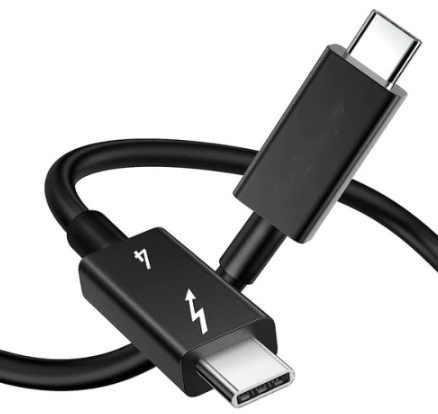
Now that you have a better idea of which docking stations might suit you, it's always a good idea to take stock of your cables and connections. If you need to transmit video/audio signals to other connection types or simply connect a USB-C device to your new docking station, we have the perfect cables for your unique needs.
Shop for Cables and Adapters
A Brief Explanation of Passive and Active Cables and Adapters
Passive Type: These are cables and/or adapters that perform signal type conversion but rely on the host device to supply power/assist in the conversion process (e.g., HDMI to DisplayPort conversion).
Active Type: These also perform signal type conversion, but they contain additional components to facilitate the conversion instead of depending on the host device to do so.
Docking Station Filter
If you want to review all the above steps in one go or go through a familiar shopping environment, we offer a powerful filtering system that you can find on the complete docking station product page on our website. Simply tick the checkboxes that match your requirements and check if the final docking station has the right connection type for your host device!